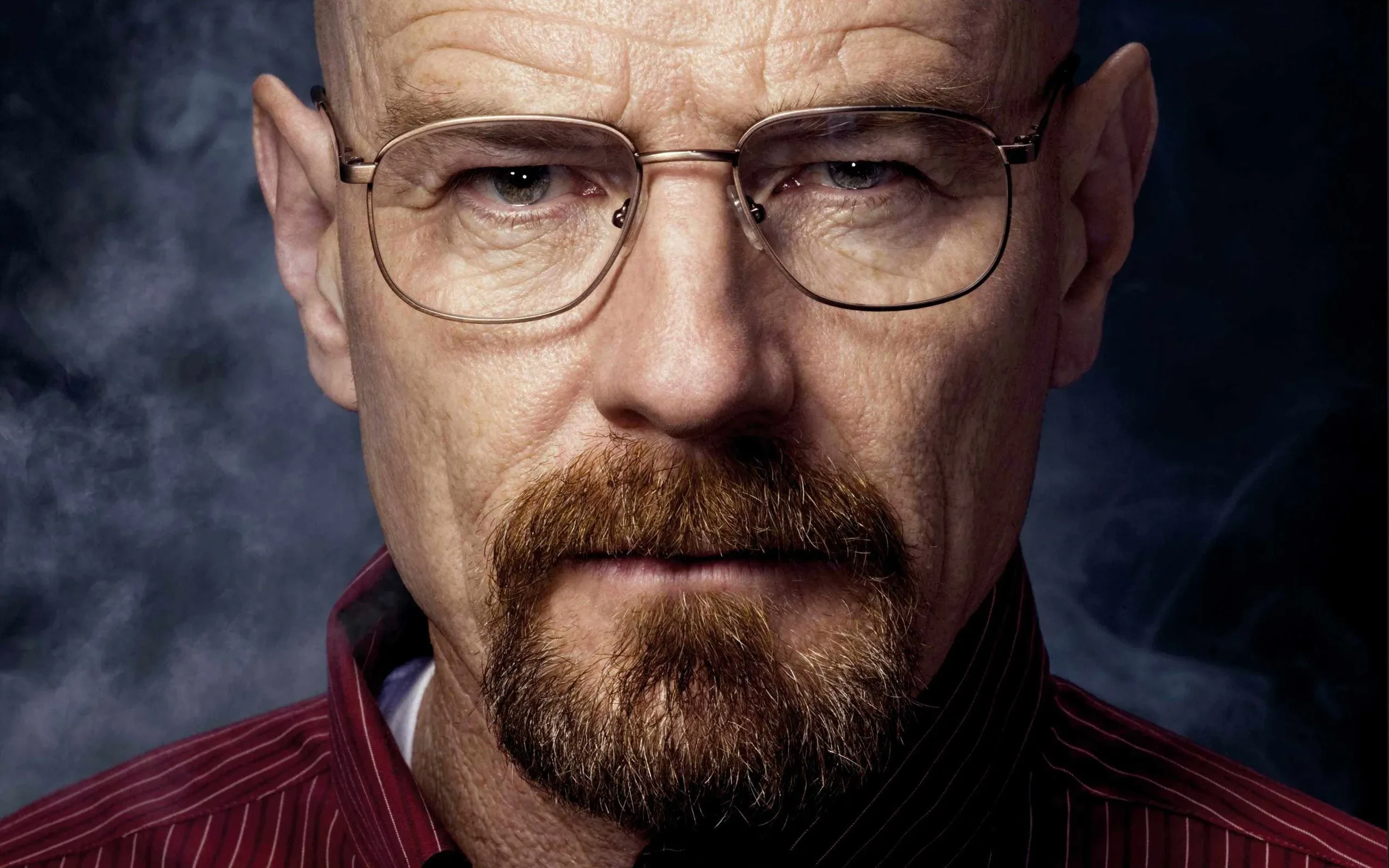
Walter White’s beard isn’t just facial hair; it’s a character arc in itself. As his life spirals from mild-mannered chemistry teacher to ruthless drug kingpin, his beard undergoes a dramatic evolution, mirroring his transformation. It’s a subtle yet powerful visual storytelling device, subtly reflecting his inner turmoil and growing power.

In the first season, Walt sports a clean-shaven face or, at most, a very light stubble. This reflects his initial persona: a somewhat timid, ordinary man facing a life-altering diagnosis. He’s still Mr. White, the high school chemistry teacher.
As the series progresses, so does the growth of Walt’s beard. The change isn’t sudden; it’s gradual, mirroring his slow descent into the criminal underworld. It’s a symbolic representation of his growing comfort with his new identity and the darker side of himself he’s embracing.

By season 3, the beard is more noticeable, a slightly longer, more unkempt stubble. This signifies his increased involvement in the meth business and the rising stress and anxiety he experiences. The beard becomes a physical manifestation of his inner turmoil.
The beard isn’t just about length; it’s also about style. The initial neatness gives way to a more rugged, less controlled look. This reflects Heisenberg’s increasing disregard for societal norms and his growing confidence in his criminal enterprise.
The color also plays a role. As Walt ages and his stress intensifies, the grey hairs in his beard become more prominent. This is a visual cue to the audience, showing the toll that his criminal activities and the associated stress are taking on him.

By the final season, Walt’s beard is fully grown, thick, and undeniably imposing. It’s a symbol of his complete transformation into Heisenberg, the ruthless drug lord. The beard adds to his intimidating presence, visually communicating his power and control.
Interestingly, the beard also serves as a kind of camouflage. It obscures some of his features, adding to the mystique surrounding Heisenberg and further separating him from his former identity as Walter White.
The evolution of Walt’s beard is a subtle masterclass in visual storytelling. It’s a testament to the show’s attention to detail and its ability to use even the smallest elements to enhance the narrative and character development.
It’s a far cry from the clean-shaven look he sported initially, illustrating the dramatic change in his personality and lifestyle. It’s more than just hair; it’s a visual representation of his internal conflict and gradual transformation into a ruthless criminal.
Beyond the show, Walt’s beard has also influenced men’s grooming trends. His evolving style has inspired many to experiment with different beard lengths and styles, highlighting the versatility of facial hair.
The evolution is a gradual process, meticulously crafted to reflect the slow but steady descent of Walter White into the criminal underworld.
Think about it: the almost imperceptible stubble of early seasons, the slightly more pronounced beard of the middle seasons, and finally, the full, imposing beard of the final season. Each stage represents a turning point in Walt’s transformation.
It’s a testament to the show’s commitment to realism and attention to detail that even seemingly minor aspects like Walt’s beard contribute significantly to the overall narrative.
The impact of Walt’s beard style transcends the show itself, influencing popular culture and discussions about men’s grooming. It serves as a reminder that even seemingly small details can greatly affect character development and storytelling.
- Season 1: Clean-shaven or light stubble
- Season 2-3: Increasingly noticeable stubble, slightly unkempt
- Season 4-5: Full, thick, and grizzled beard; reflects Heisenberg’s power
In conclusion, Walter White’s beard is more than just a fashion statement; it’s a potent symbol of his metamorphosis, a visual narrative that unfolds alongside his descent into darkness. It’s a fascinating and nuanced detail that adds another layer to one of television’s most compelling characters.